



high desert spirit, Small town pride
Within the expansive landscape of Harney County lies several small communities, each shaped by the land, the history, and the people who’ve put down roots here. And for those who take the time to stop and look around, each town offers a glimpse into the character and culture of Oregon’s high desert.
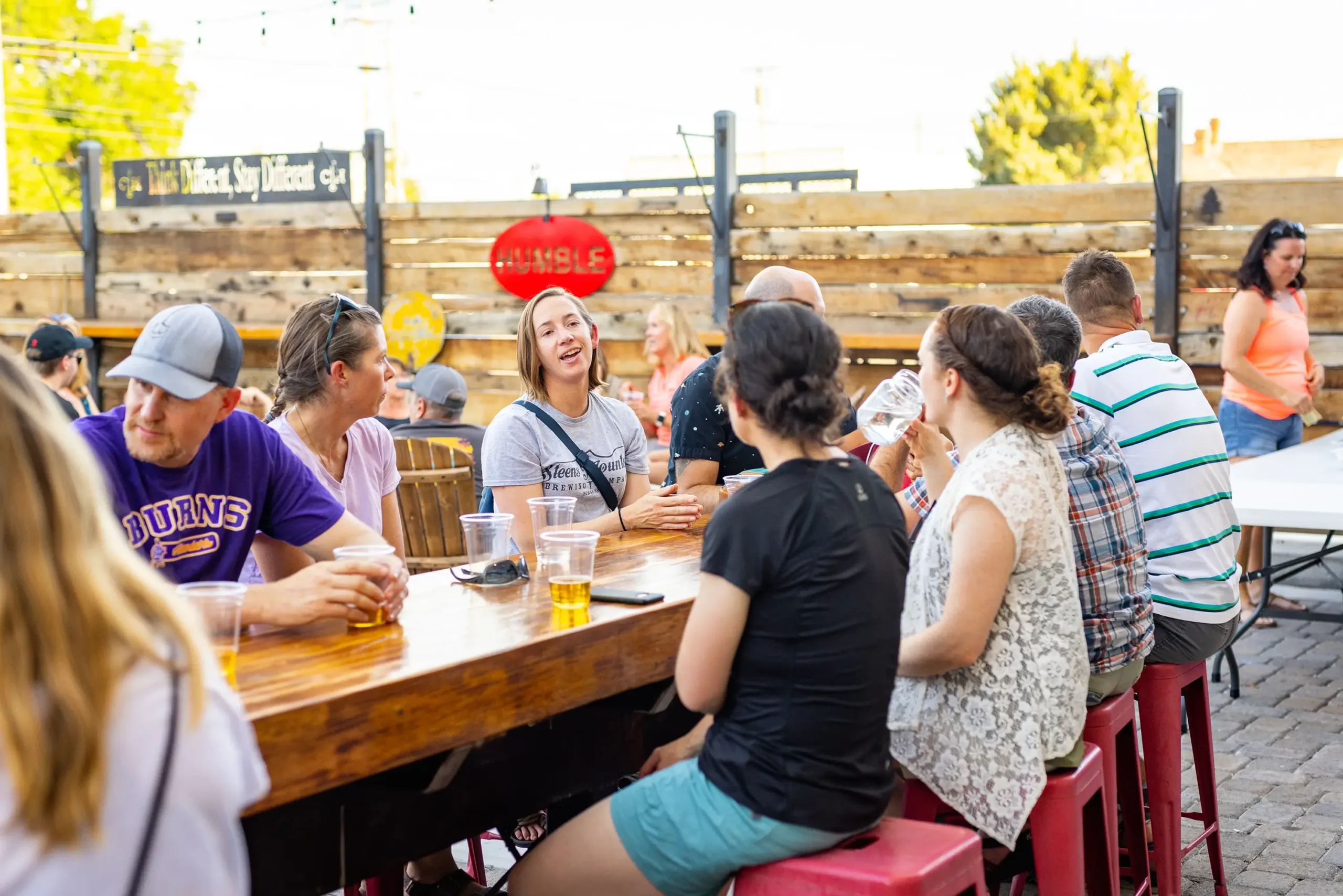
Burns
Burns is the largest town in Harney County and serves as its commercial and cultural hub. Established in the late 19th century and named after the Scottish poet Robert Burns, the town has evolved from its ranching and timber origins into a welcoming base for travelers exploring the high desert. Visitors can find essential amenities here, including grocery stores, gas stations, accommodations, and dining options. The Harney County Historical Museum offers a glimpse into the area’s rich past, while the annual Harney County Fair & Rodeo and the Harney County Migratory Bird Festival celebrate local traditions and the region’s significance along the Pacific Flyway. Burns is a central base camp for access to Harney County’s outdoor adventures and nature activities like bird watching, hiking, and soaking in the vast landscapes.
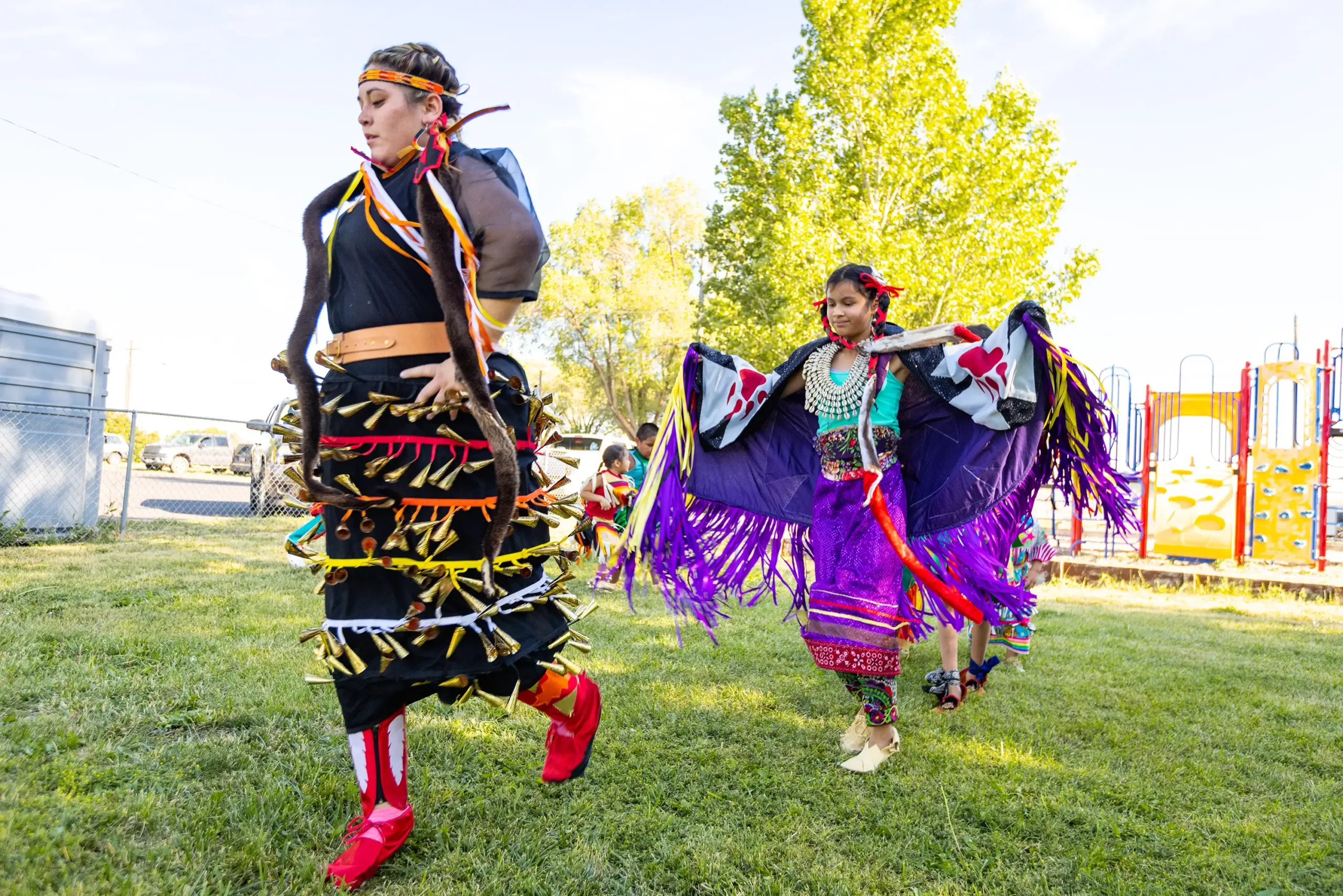
Burns Paiute Reservation
Just north of Burns lies the Burns Paiute Reservation, home to the Burns Paiute Tribe – descendants of the Wadatika band of Northern Paiutes, who have lived in this region for thousands of years. Today, the Tribe governs a small but vibrant community and continues working to preserve its language, culture, and connection to ancestral lands. While the reservation itself isn’t a visitor destination, the tribe’s presence is woven throughout Harney County. Their leadership in cultural revitalization, land stewardship, and economic development is a vital part of the region’s living heritage. Visitors interested in Indigenous history and culture can learn more through local museums and cultural centers in Burns.

Hines
Hines began as a timber town in the early 20th century, built around the Edward Hines Lumber Company. Today, it’s a quiet, welcoming community that plays an important role in conservation efforts in Harney County. Hines is home to organizations like the Harney Soil & Water Conservation District and the High Desert Partnership, both of which play key roles in restoring wetlands, improving rangeland health, and supporting sustainable agriculture. Visitors will find essential amenities here—fuel, groceries, lodging—and easy access to nearby outdoor destinations. It’s a good place to pause, get your bearings, and learn how locals are working together to care for the land they call home.
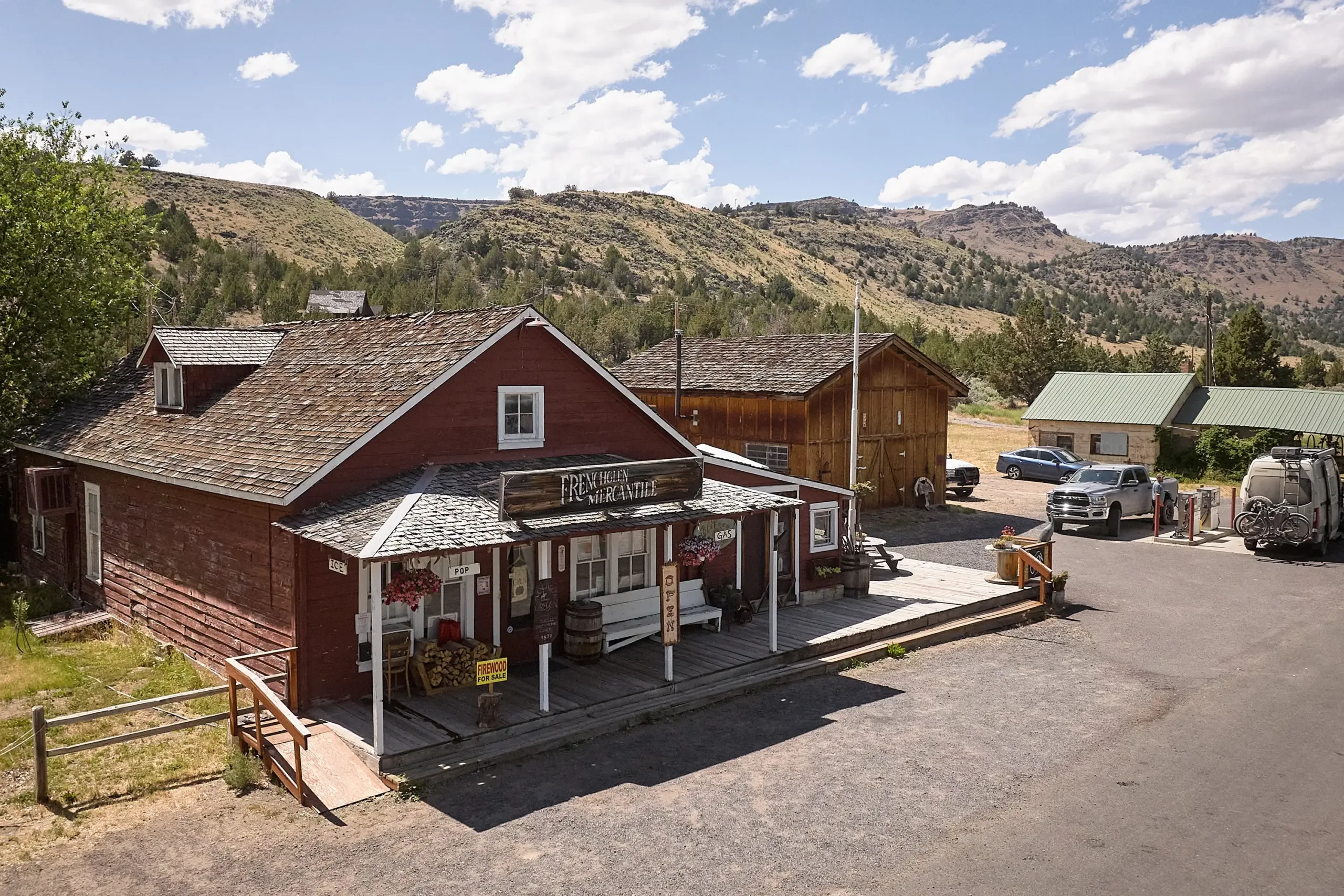
Frenchglen
Nestled at the base of Steens Mountain, Frenchglen is a tiny community with a profound sense of tranquility. Established in the early 20th century, the town is home to the historic Frenchglen Hotel, built in 1917 to accommodate travelers and ranch visitors. More than a century later, the hotel continues to welcome guests seeking a retreat from the modern world. Frenchglen serves as a gateway to the Malheur National Wildlife Refuge – renowned for its birdwatching opportunities–and the Steens Mountain Wilderness which offers miles of hiking trails and breathtaking vistas. While amenities are limited to a general store with gas pumps, the town’s simplicity is part of its allure, providing visitors with a genuine high desert experience.
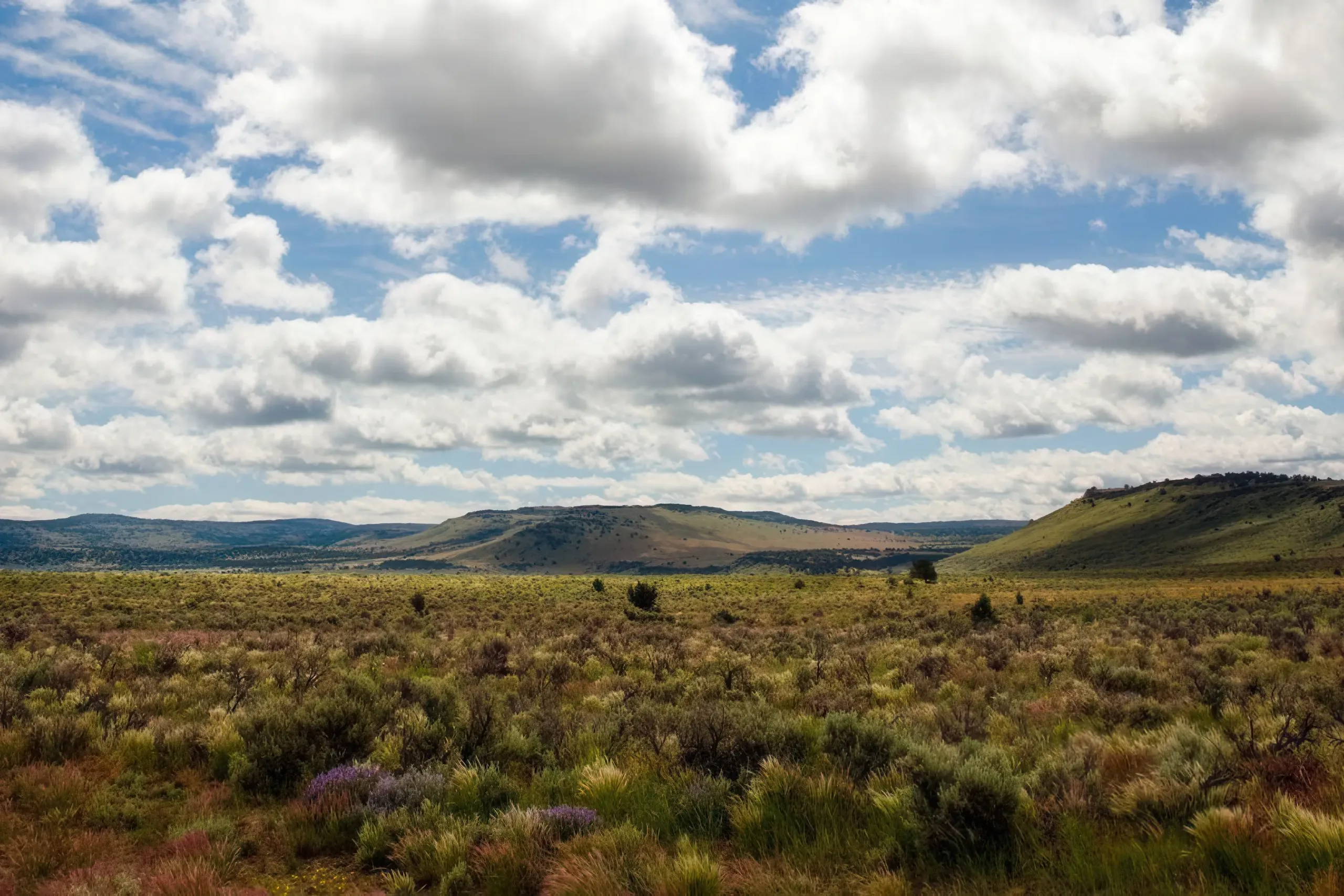
Diamond
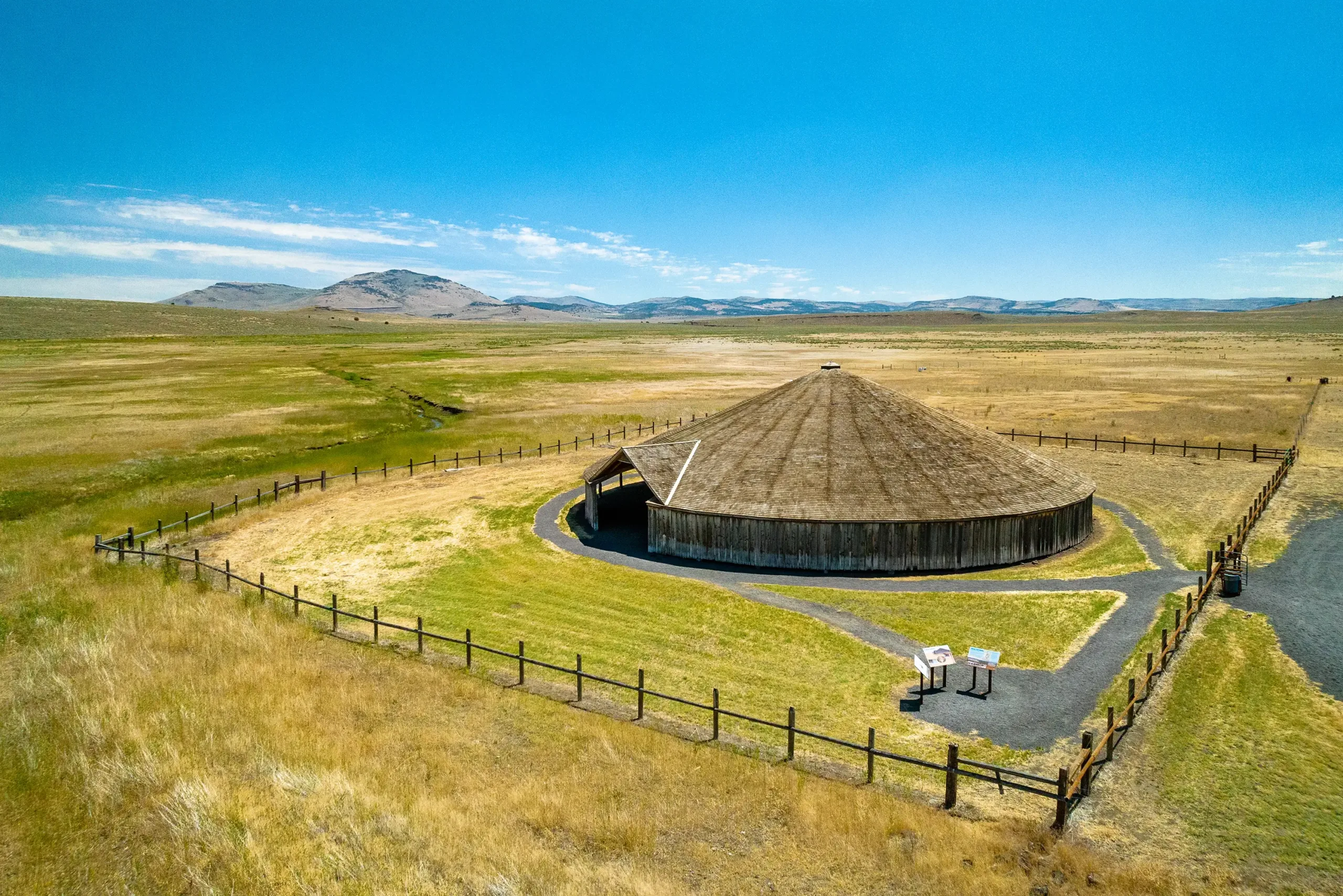
Diamond was established in the early 1870s by pioneer settlers who named the town after a diamond-shaped branding iron used by a local cattle rancher. The town has maintained its rustic charm and offers a glimpse into life in an active ranching community. Just outside town, you’ll find Diamond Craters – 17,000 acres of volcanic formations that feel like another planet. A short drive away, the Pete French Round Barn stands as a quiet reminder of the region’s ranching past. The area is also a haven for wildlife enthusiasts, with opportunities to observe sandhill cranes and wild mustangs in their natural habitats.
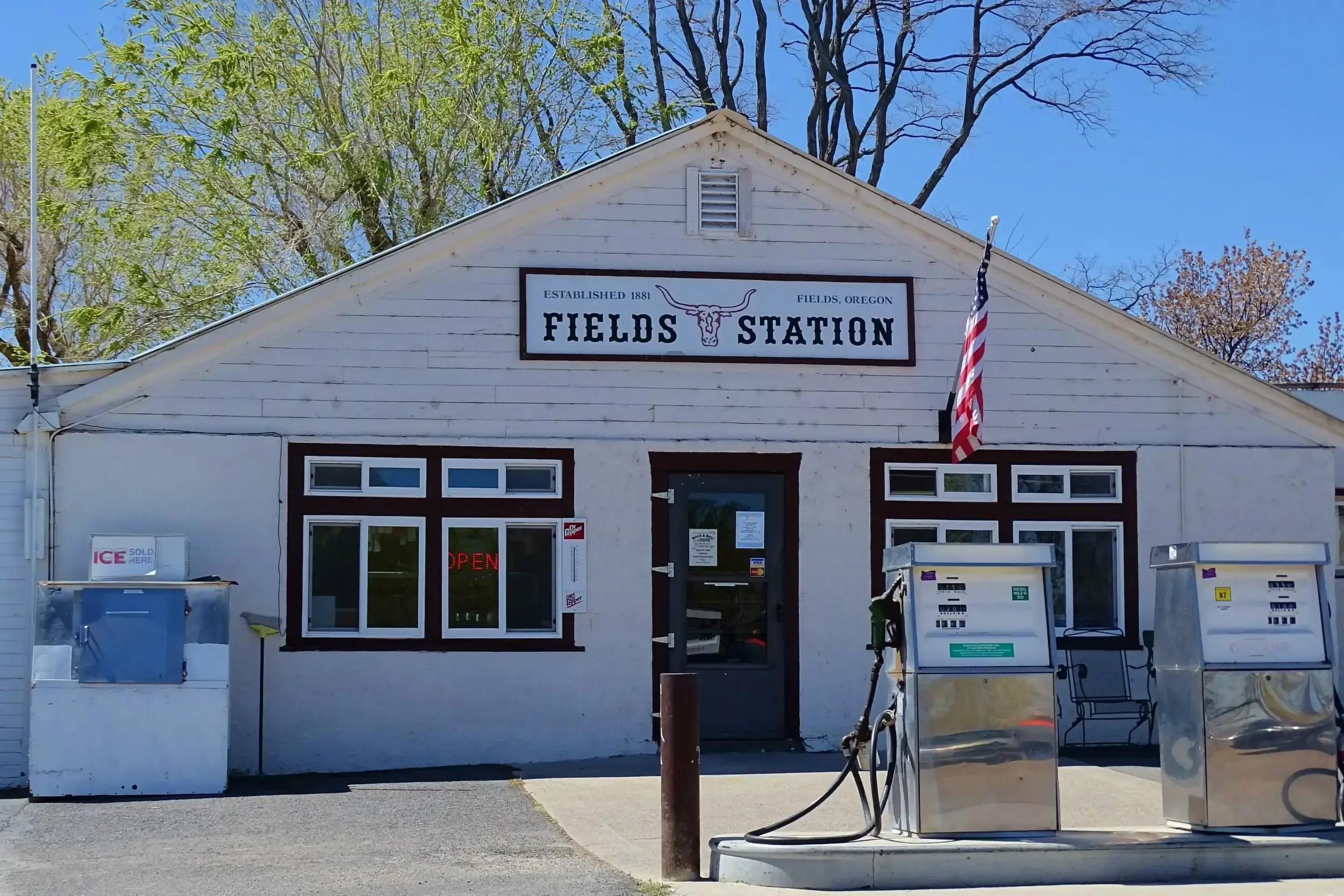
Photo by Leon Burkholder
Fields
Fields is a tiny outpost in the far southern corner of Harney County, best known for its wide-open ranch country and warm local hospitality. The community centers around Fields Station, a historic stop that’s part gas station, part café, and part general store — famous for hearty burgers and hand-scooped milkshakes that draw travelers from miles around. With sweeping desert views and easy access to the Alvord Desert and the southern slopes of the Steens Mountain, Fields is a remote but rewarding stop for adventurers exploring Oregon’s high desert backroads.
Princeton
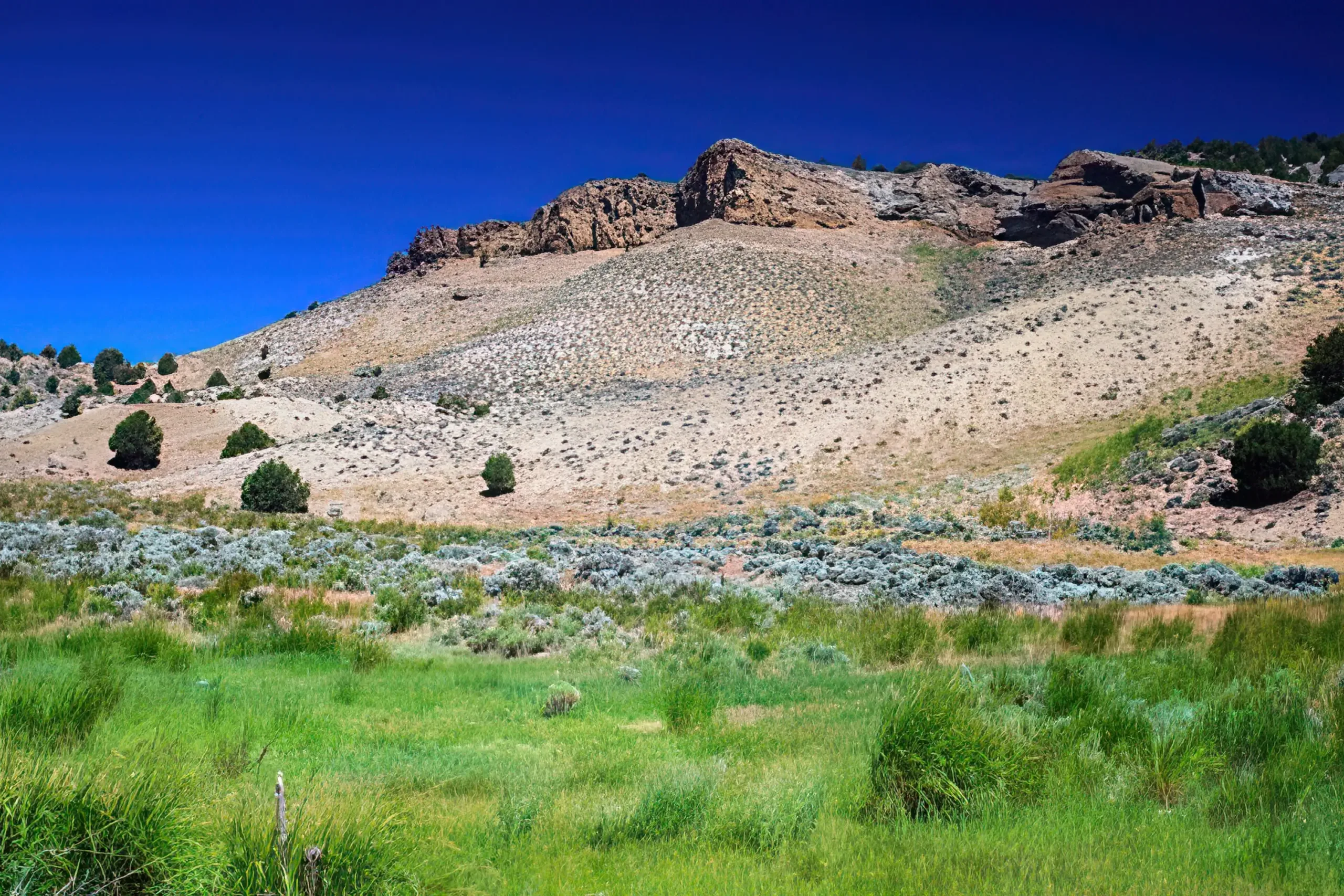
Princeton sits southeast of Burns along Highway 78, surrounded by working ranches and open rangeland. This small community reflects Harney County’s strong agricultural roots, serving as a quiet waypoint for travelers heading toward the Malheur National Wildlife Refuge or Steens Mountain. While amenities are minimal, Princeton’s landscapes — big sky, grazing cattle, and wide expanses of sagebrush — offer a classic glimpse of the high desert way of life.

Crane
Crane lies east of Burns along Highway 78, a small high desert community known for its wide horizons and rural character. Surrounded by sagebrush flats and grazing land, Crane reflects Harney County’s ranching heritage while serving as a modest stop for travelers bound for the Owyhee Canyonlands or other remote corners of southeastern Oregon. Though services are few, the town’s setting of open skies and a pace that moves with the seasons offers a genuine snapshot of life in Oregon’s frontier country.
Drewsey
Drewsey rests along Highway 20 in the rolling rangelands west of Juntura, a quiet community rooted in Harney County’s ranching traditions. Surrounded by open pastures, rugged hills, and stands of cottonwood along the Malheur River, it offers a peaceful pause for those traveling between Burns and the Snake River Plain. While its amenities are limited, Drewsey’s setting of classic high desert scenery, grazing livestock, and the enduring rhythm of rural life captures the authentic spirit of eastern Oregon.
Riley
Riley sits at the junction of Highways 20 and 395, west of Burns, serving as a crossroads for travelers bound for Oregon’s high desert destinations. Framed by sweeping sagebrush plains and distant mountain ranges, this small community reflects Harney County’s deep agricultural roots. With just a handful of services, Riley offers a simple but welcoming stop, where the open skies, wide horizons, and quiet pace embody the rugged beauty and solitude of southeastern Oregon.
See More about our history & people
Harney County’s history is shaped by the resilience of its people, from Indigenous communities to early settlers and today’s residents. Together, their stories continue to define the character and spirit of Oregon’s high desert.