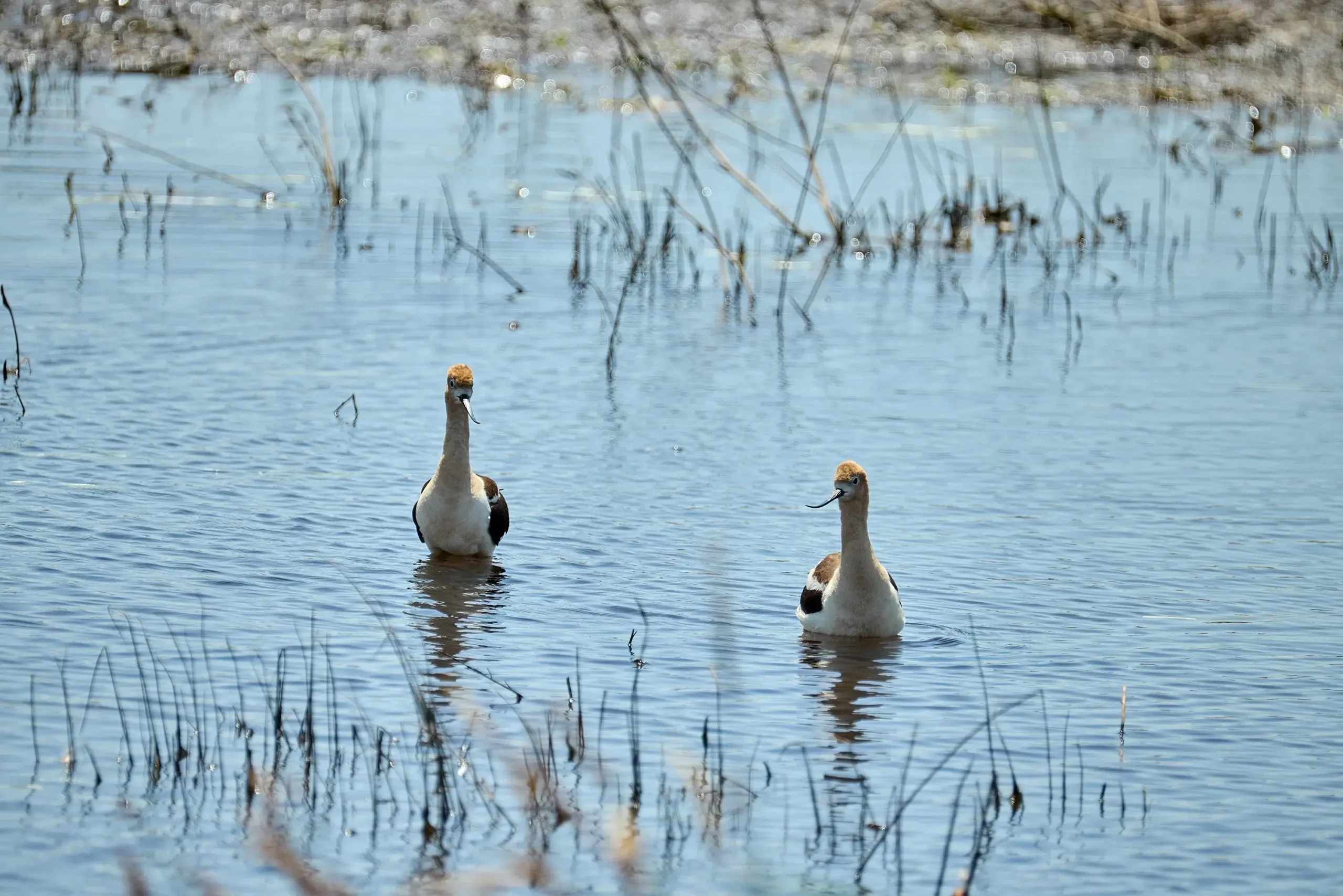
The Harney Basin is more than a vast, beautiful landscape—it’s a living, breathing system that supports ranchers, wildlife, wetlands, and entire communities. And if you live here, you know that balance isn’t guaranteed.
Drought. Invasive species. Habitat loss. These are realities playing out in real time across our region. The good news: There’s real work happening on the ground to protect what makes the Harney Basin so special. Here’s a look at how Harney County is stepping up conservation efforts for the land, and how you can be part of it.
A Living Landscape Worth Protecting
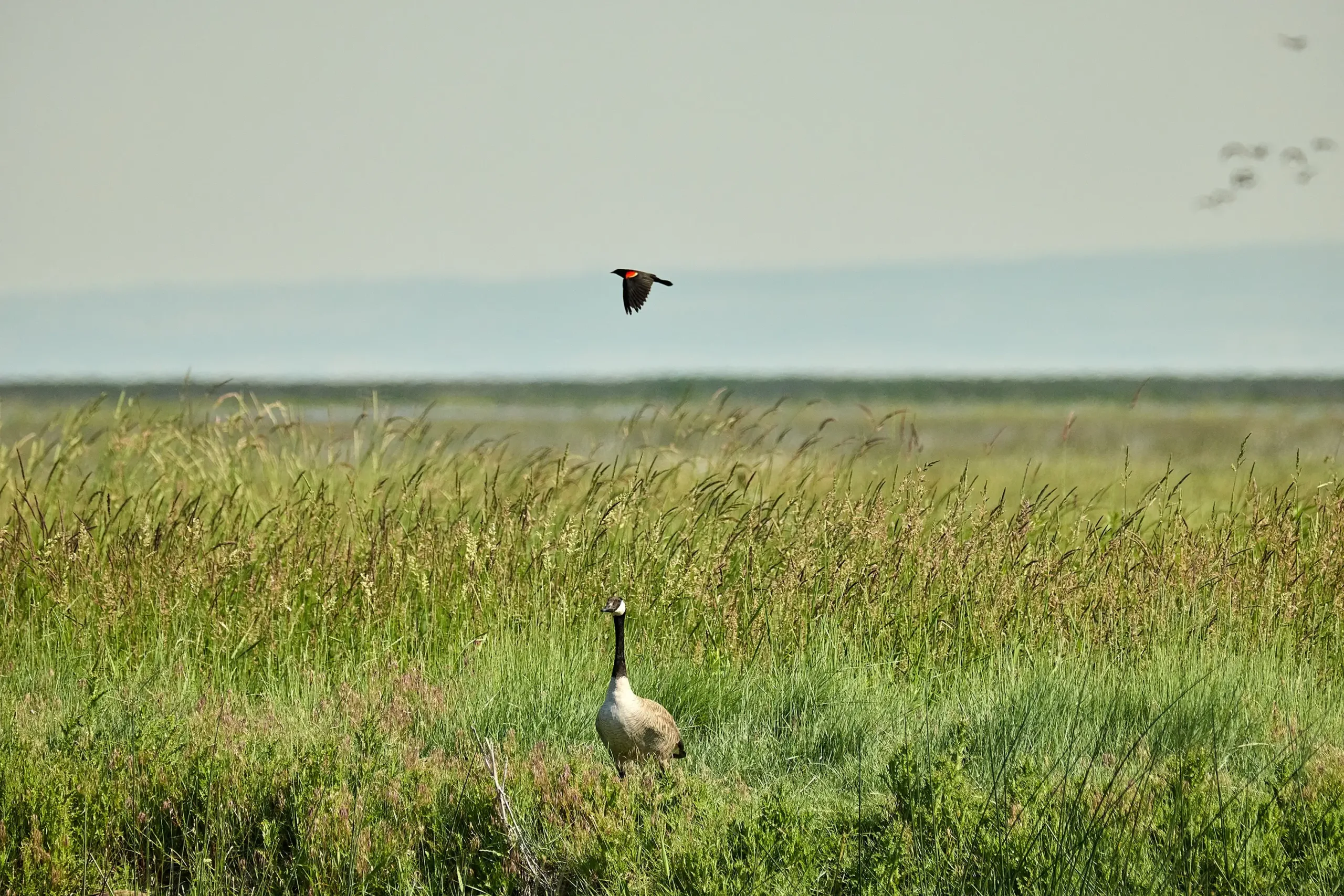
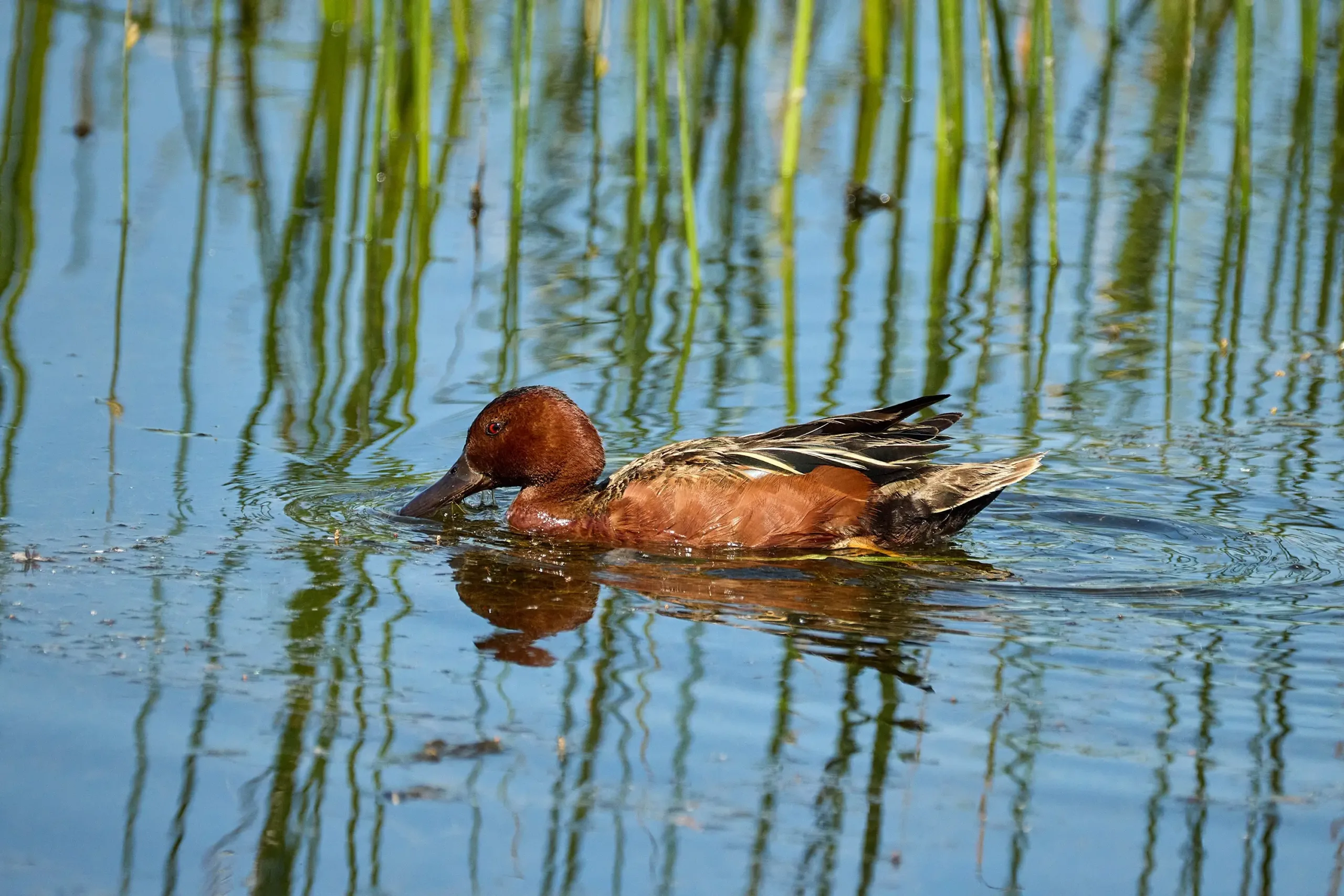
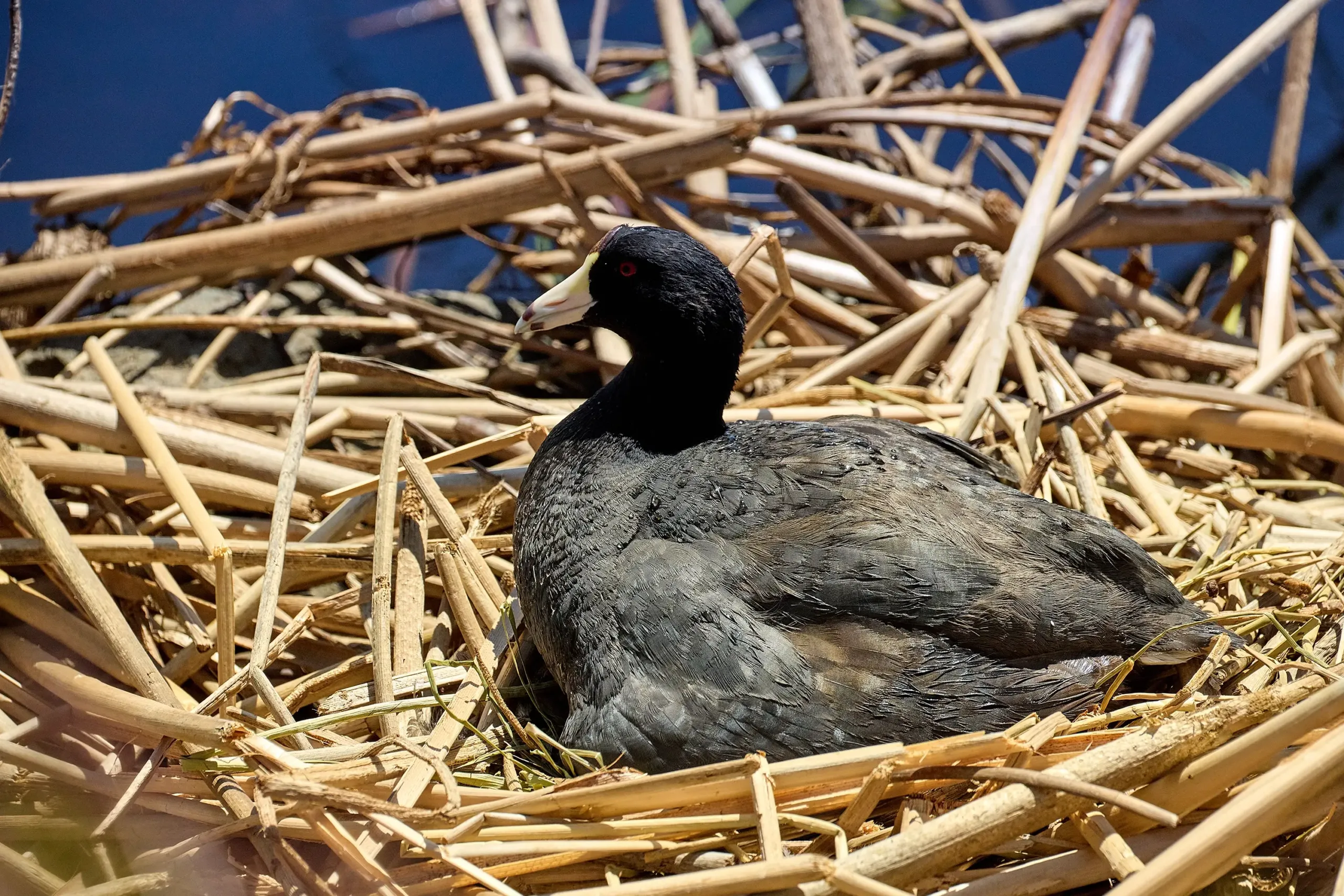
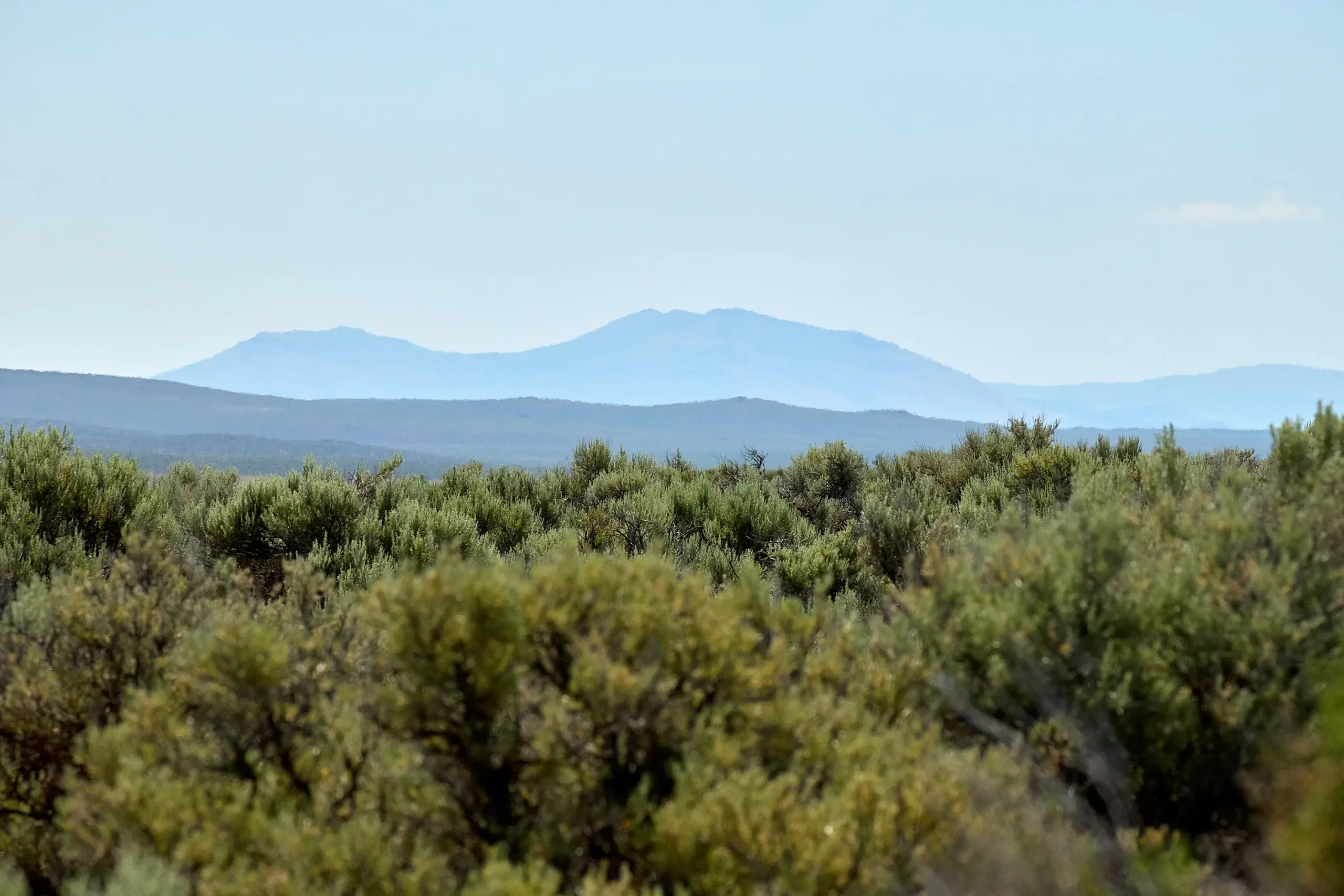
Stretching across southeastern Oregon, this unique region is home to wetlands, sagebrush steppe, high desert grasslands, and the communities that rely on them. It’s a key stop on the Harney Basin Crossing & Pacific Flyway – drawing thousands of bird species each year—and one of the most important freshwater wetland systems in the West.
That kind of ecological richness doesn’t just sustain wildlife—it supports ranching, recreation, and rural life. But managing that balance takes effort and collaboration. Here is a look at the key players in conservation efforts across Harney County, and some ideas about how you can be involved.
Malheur National Wildlife Refuge
Founded in 1908, the Malheur National Wildlife Refuge is one of the oldest wildlife refuges in the country—and a vital part of life in Harney County. Managed by the U.S. Fish & Wildlife Service, the refuge protects over 187,000 acres of wetlands, meadows, and upland habitat at the heart of the Pacific Flyway.
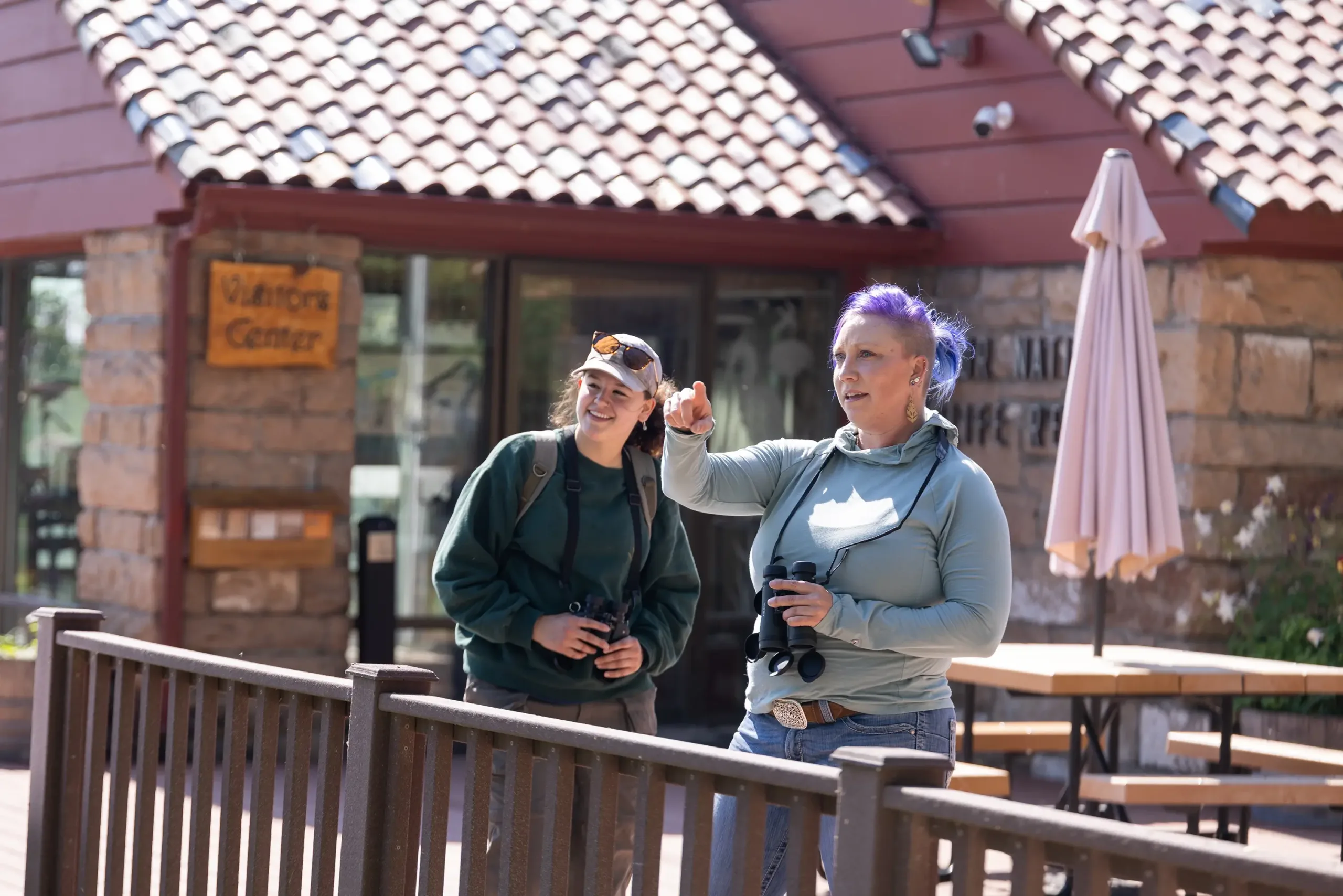
But Malheur isn’t just a bird sanctuary—it’s a long-standing partner in local conservation. Refuge staff work closely with community members, tribal partners, and collaborative groups to manage water, monitor wildlife, and restore critical habitat. It’s a powerful example of what’s possible when public land management puts collaboration first.
The High Desert Partnership
At the heart of many conservation efforts in Harney County is the High Desert Partnership—a nonprofit that brings people together across traditional divides to solve complex environmental and community challenges. From wetlands and wildfire resilience to economic development and creating opportunities for youth, the six collaboratives that High Desert Partnership are finding solutions that serve both people and the land.
Why It Matters - for All of Us
Whether you ranch, recreate, or simply love living here, healthy ecosystems touch every part of life in Harney County. Birders and hunters rely on wetland access and thriving wildlife populations. Ranchers depend on functioning meadows, reliable water sources, and a landscape that can sustain both cattle and habitat. And for families and visitors alike, the open spaces we cherish are only as vibrant as the ecosystems that support them.
Conservation and stewardship aren’t side projects—they’re part of how we keep Harney County working, living, and thriving for generations to come.
How You Can Support Local Conservation
You don’t have to be a biologist or landowner to help protect the Harney Basin. Here are a few easy ways to get involved:
Support land-friendly recreation: Stick to designated trails, pack out trash, and respect sensitive habitats.
Talk about it: The more we share why this landscape matters, the more momentum local conservation efforts can build.
For Visitors: Come With Curiosity and Care
If you’re visiting the Harney Basin Oregon region, thank you for making the trip. You’ll find some of the most stunning wildlife, skies, and solitude in the country. But as you explore, remember that this land is lived on, worked on, and cared for daily.
Please tread lightly. Ask questions. And consider how your presence can support—not strain—the place and people that make this region so unique.
Who’s Who in Harney County Conservation
Conservation in Harney County doesn’t happen in silos—it’s the result of strong partnerships, long conversations, and a whole lot of commitment. Here’s a list of the key players making an impact across the region: