



Every Visit Leaves a Mark. Make Yours a Good One.
Harney County offers a rare quiet and wild beauty – but it also asks something in return: to steward the land that sustains us. Whether you’re visiting for a weekend or staying awhile, you’re not just an observer here. You’re part of a shared commitment to protect the high desert’s beauty for generations to come. These simple practices can help you tread with care in this fragile and unique ecosystem.

Leave No Trace in the High Desert
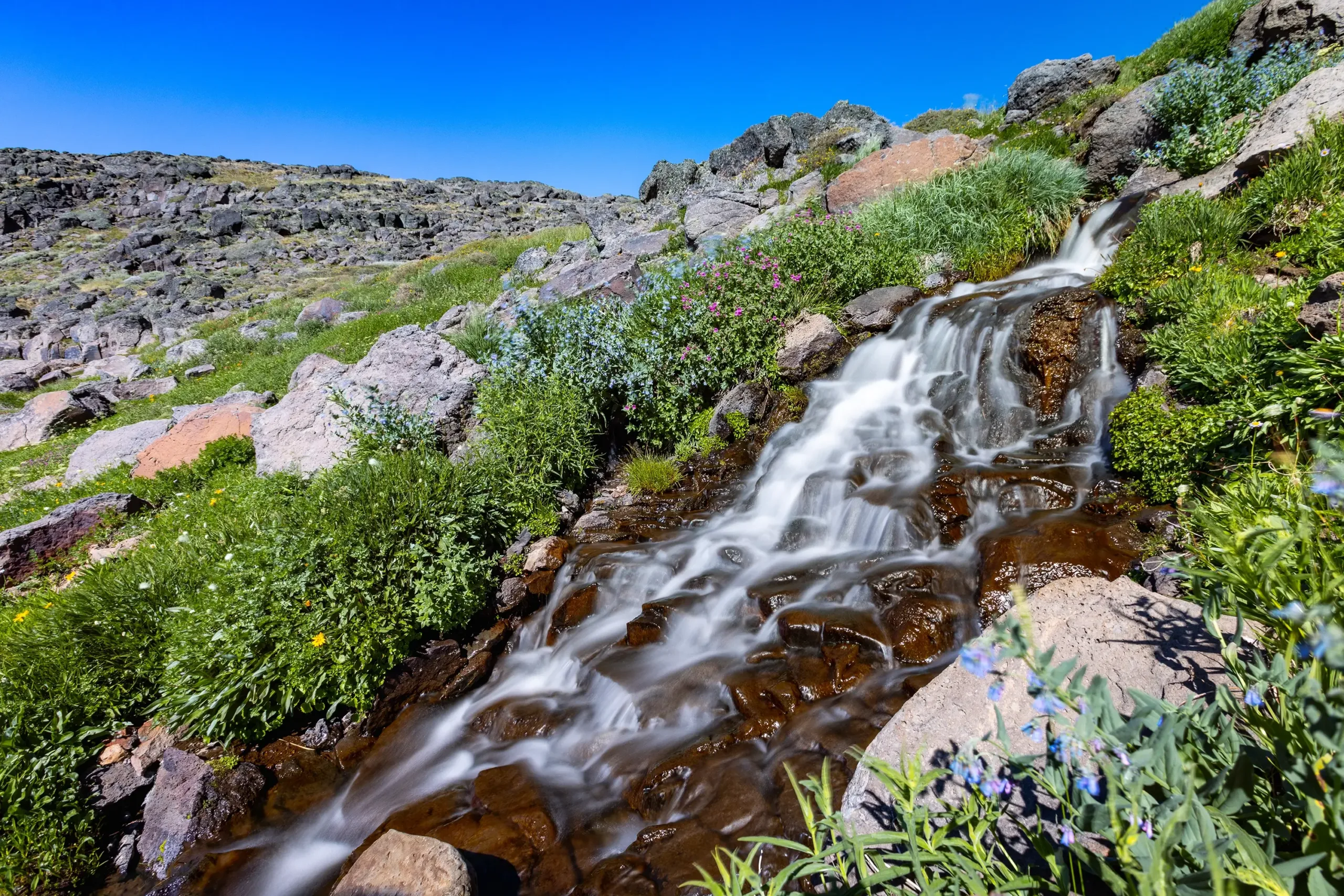
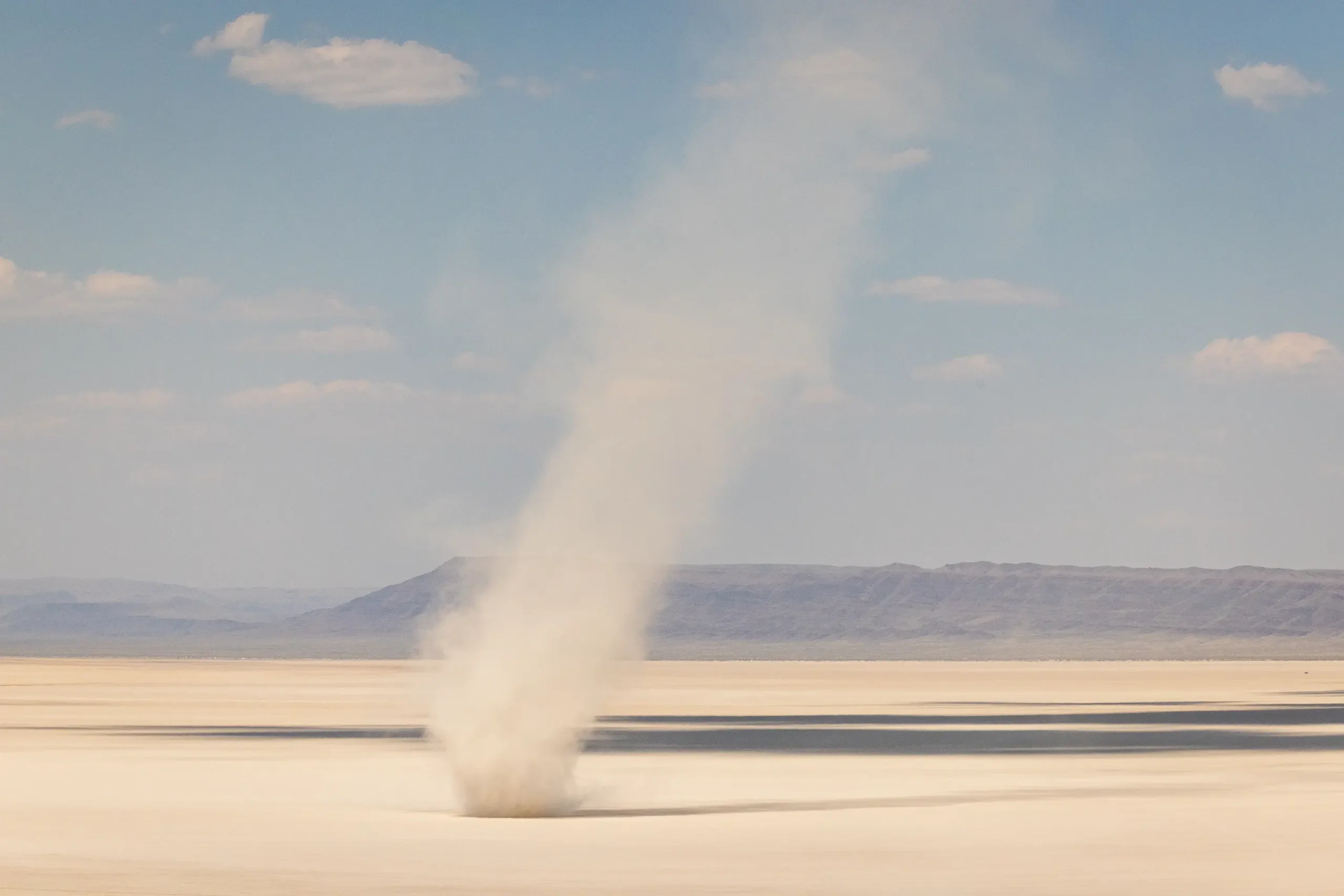
The high desert is more delicate than it looks. With minimal rainfall, slow-growing vegetation, and sensitive soils, even small disturbances can leave lasting impacts. Before you travel to Harney County, research the Leave No Trace principles. Here are some tips with Harney’s specific needs in mind:
- Stay on established roads and trails. Off-road travel can damage native grasses and cryptobiotic soil crusts, which help prevent erosion and support desert life.
- Prevent off-roading wildfires. Off-road travel can also increase the chance of fires during the dry season, especially summer months.
- Pack it in, pack it out. There are few trash services in remote areas — bring bags to carry out all waste, including food scraps and hygiene items.
- Camp thoughtfully. Use existing campsites when possible and avoid camping directly next to water sources or fragile riparian zones.
- Minimize campfires. In dry seasons, fire danger is extreme. Use a camp stove or, if fires are allowed, keep them small and within designated rings.
- Leave what you find. Rocks, bones, arrowheads, feathers, and plants all play a role in this ecosystem — and many hold deep cultural significance.

Respect Wildlife, Ranching Culture,
and Indigenous Stewardship
The Burns Paiute are the original stewards of what we now call Harney County, caring for these lands and waters for countless generations. Their principles of balance and respect of nature still guide how people can live in harmony here today. Harney County is also home to migratory birds, wild herds, and working ranchlands that all coexist in a delicate balance. Please:
- Observe wildlife from a distance. As the Burns Paiute teach, all living beings have their own space and purpose. Don’t feed or approach animals – it disrupts their natural behaviors and can be dangerous for both you and them.
- Mind the fences and gates. Whether respecting tribal lands, public ranges, or private ranches, always leave gates as you found them and never cross into private property without permission.
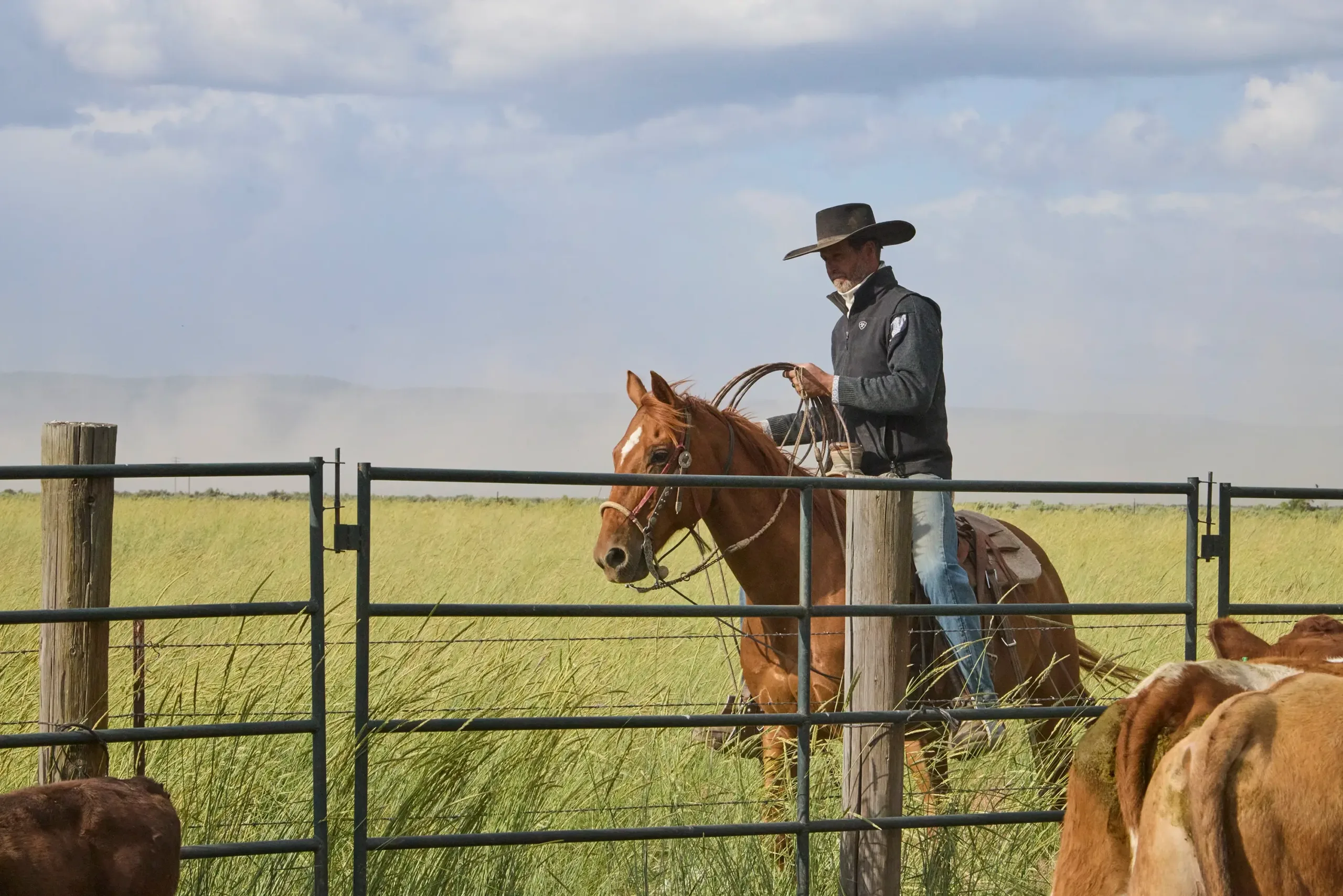
- Share the road with ranchers. You may encounter cattle drives or large equipment on remote roads. Slow down, be patient, and yield the right of way.
- Keep pets leashed or close. This safeguards both your animals and the region’s wildlife and livestock.
- Honor local knowledge. Many ranching families and the Burns Paiute Tribe have cared for this land for generations – treat their knowledge, traditions, and way of life with respect.
Smart Travel in Oregon’s Wildest Corner
Out here, solitude is part of the magic — but it also means fewer services and more self-reliance. Make sure your trip is safe, respectful, and smooth:
- Fuel up often. Distances are vast and gas stations are few. Don’t wait until you’re low to refill.
- Carry water, food, and layers. Weather shifts quickly and cell service is limited. Always be prepared for changing conditions.
- Download maps ahead of time. GPS isn’t reliable everywhere — consider paper maps or offline apps like Gaia, Avenza, or OnX.
- Check road and fire conditions. Unpaved roads can become impassable in wet weather, and fire restrictions change seasonally.
- Let someone know your plans. Especially if you’re hiking, camping, or heading into remote terrain.

Help Protect What Makes Harney Special
Harney County’s wild beauty needs to be handled with care. Conservation partners, ranching families, and other partners are working together to make sure that the high desert remains unspoiled for future generations. Find out what these community stewards are doing and how you can join them.