The Harney Basin Crossing is a wetland oasis tucked into the heart of Oregon’s High Desert. Framed by distant mountain ranges, this surprising landscape is bursting with life–on land, in the waterways, and overhead. Millions of birds touch down here each year as they migrate along the Pacific Flyway. And they’re not alone. Trout, pronghorn, owls, otters – wildlife of all kinds thrive in this vibrant corner of the West.
WHAT MAKES the Harney Basin Crossing Unique?
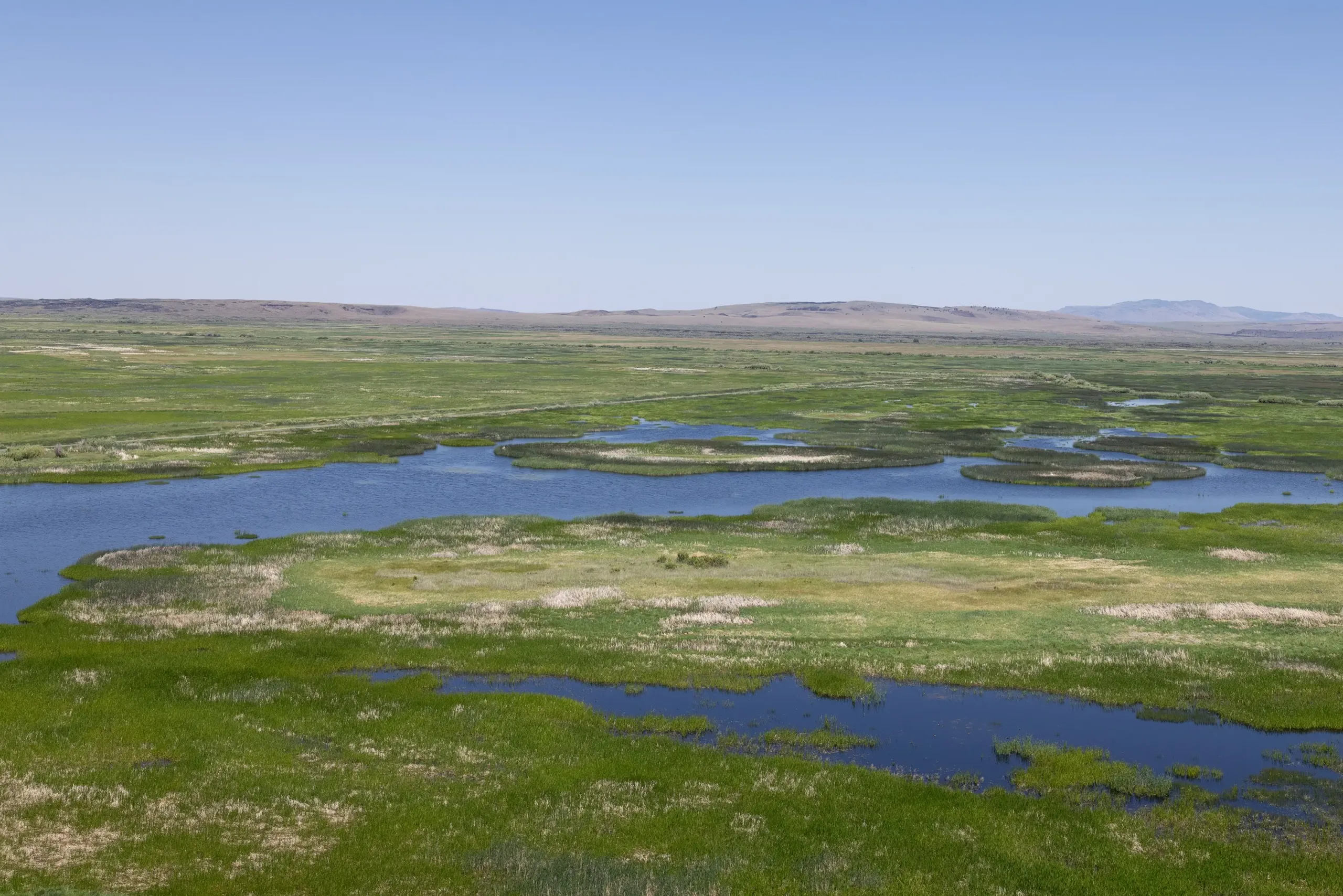
The Harney Basin Crossing is an endorheic basin, meaning water flows in but doesn’t flow out. Instead, snowmelt and river systems feed a patchwork of seasonal lakes, marshes, meadows, and sagebrush plains—forming a rare wetland ecosystem in the middle of Oregon’s high desert. The Silvies River and Donner und Blitzen River are the basin’s lifeblood, delivering water to Malheur and Harney Lakes and supporting the vibrant life that depends on them.
This mosaic of habitats provides critical resources for birds and wildlife, especially during spring and fall migrations. The result? One of the most important stopover sites in North America.
What is the Pacific Flyway?
Picture the Pacific Flyway as a bird highway tracing the western edge of the continent—from northern breeding grounds to wintering areas far to the south. Millions of birds move along this route with the seasons, following water, food, and safe habitat.
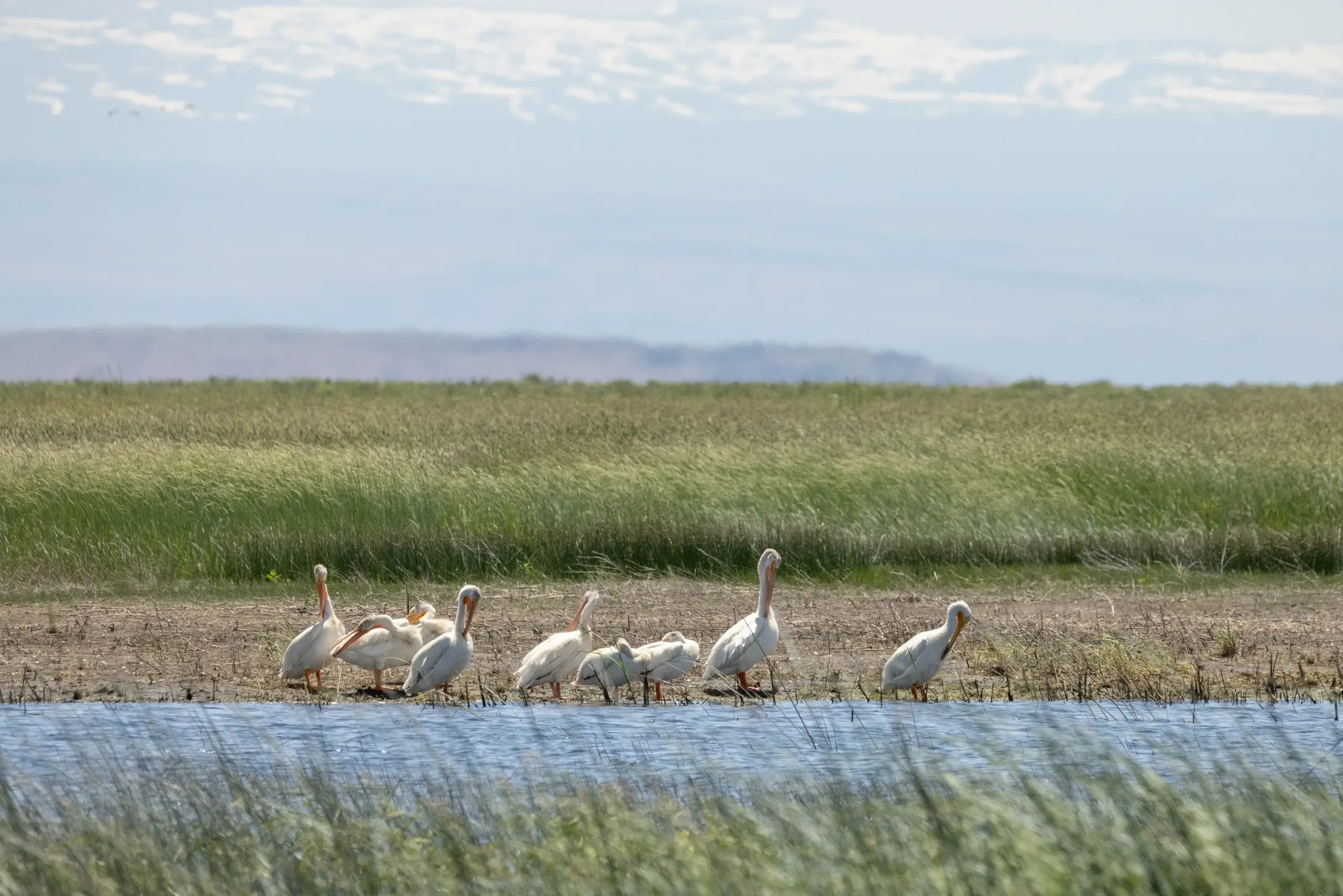
Harney County, and the Malheur Wildlife Refuge, sits right on that path. When snowmelt spreads across the Basin’s wetlands, the landscape becomes a life-saving layover: to fuel up, nest, rest, and continue on. More than 300 bird species use the greater Harney Basin and the Malheur during the year, including sandhill cranes, tundra swans, northern pintails, long-billed curlews, and American avocets.
Malheur National Wildlife Refuge
At the heart of the Harney Basin lies the Malheur National Wildlife Refuge—a 187,000-acre refuge established in 1908 to protect migratory birds and their habitat. Today, it’s one of the most celebrated birding destinations in the West.
Visitors can explore scenic auto routes, observation blinds, and quiet trails that bring you close to the birds and wildlife that thrive here. From white-faced ibis wading through marshes to nesting grebes on open water, the refuge offers a front-row seat to the rhythms of the wild.
The Wildlife Refuge is also an important hub for conservation in Harney County. Here, local ranchers, scientists, land managers, and volunteers work together to protect this vital landscape for generations to come.
Harney County Migratory Bird Festival
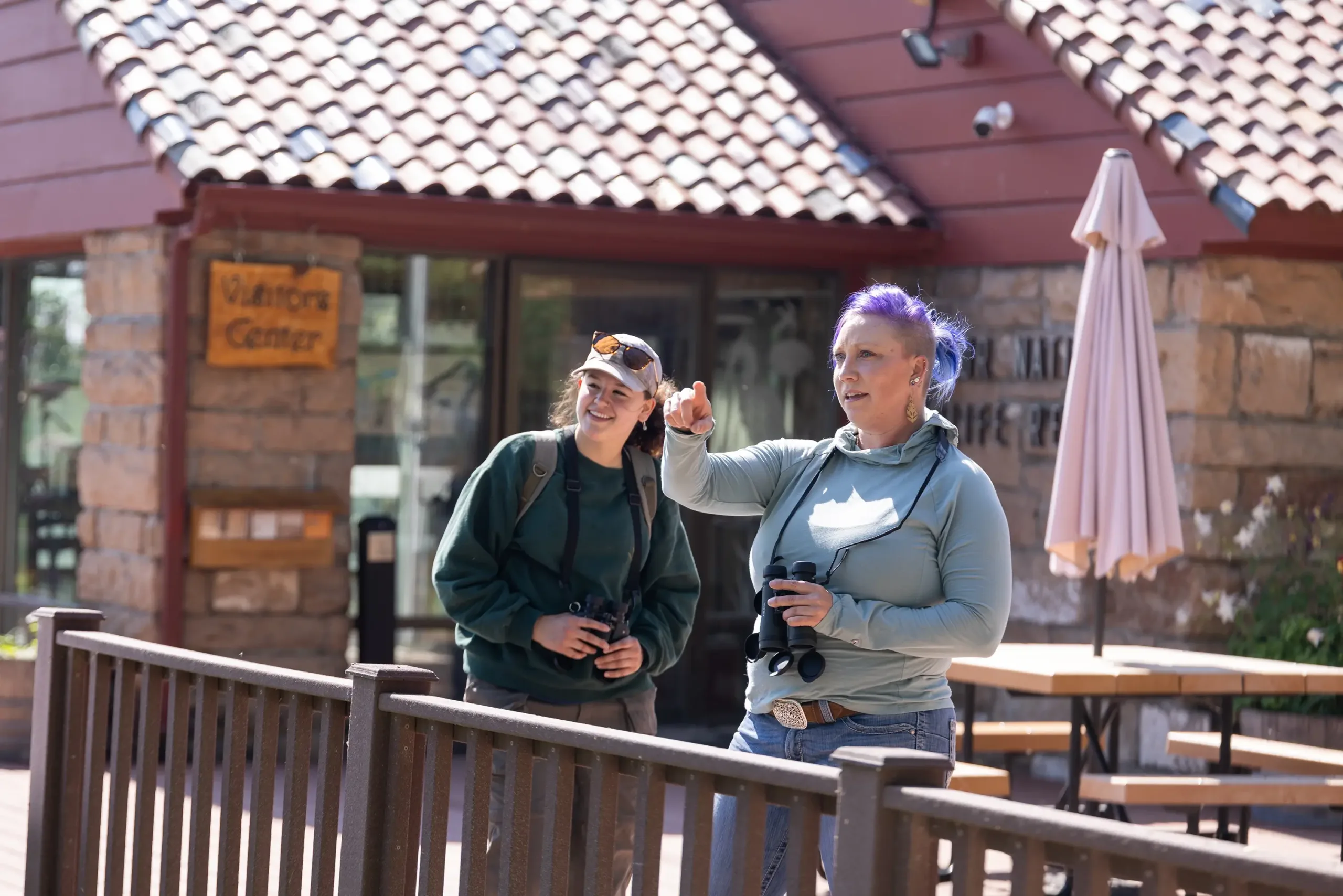
Each spring, Harney County welcomes birders, nature lovers, and visitors from across the country for theHarney County Migratory Bird Festival–a beloved tradition that showcases the incredible biodiversity of the region and the welcoming spirit of the local community. Held in April at the peak of migration, the festival is both a local favorite and a nationally recognized destination.
Guided tours take you into the heart of the action, where thousands of birds gather across wetlands, lakes, and meadows. Workshops, art shows, and family-friendly events round out the weekend, creating a celebration that blends science, culture, and community.
Whether you’re a seasoned birder or simply want to witness something extraordinary, the festival is a one-of-a-kind way to experience the Pacific Flyway in full motion.
Wildlife Beyond the Birds
The skies may draw the most attention, but there’s far more to discover in the Harney Basin. Pronghorn antelope roam the open range. Watch for pronghorn antelope racing across the open range, mule deer grazing in the sage, or beavers quietly working in the creeks and canals. In the rivers and lakes, native redband trout dart through cool currents, sharing space with an ecosystem that’s always in motion.
A ripple in the water, delicate hoofprints in the soft earth—there are quiet signs of life all around. Even in the Basin’s stillest moments, you’re never far from something wild.
Seasonal Wildlife Calendar
No two visits to the Harney Basin are exactly the same. Here’s a glimpse at what nature might have in store throughout the year:
Resident bald eagles and great horned owls on the move
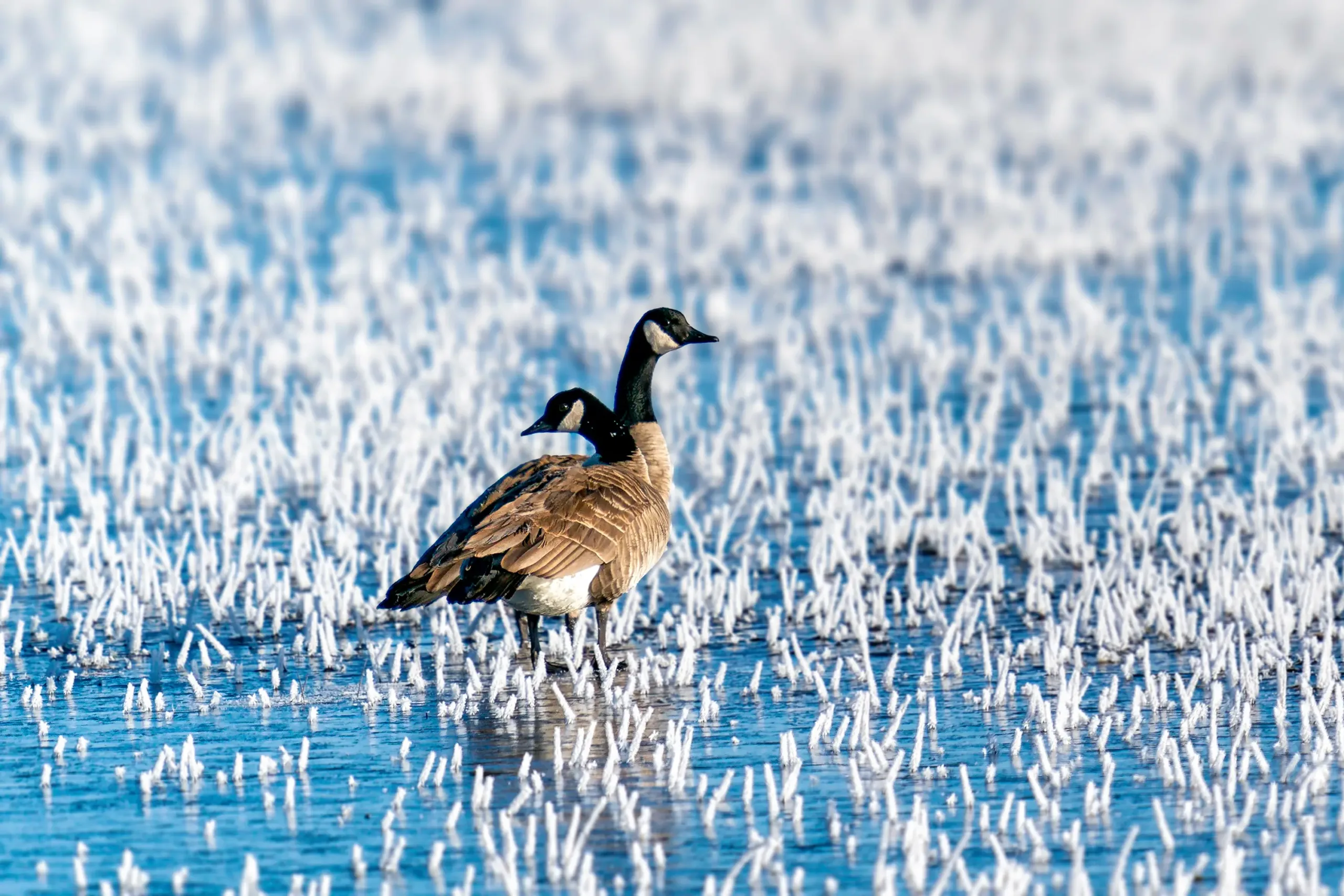
Frozen lakes and frosted sage under wide-open skies
A peaceful season for reflection and stillness
A Living Landscape
The Harney Basin isn’t just a stop on a map—it’s a living, breathing ecosystem that changes with the seasons and rewards those who slow down and look closely. Whether you’re visiting for a day or returning season after season, the Basin offers something rare: space to witness the rhythms of nature and feel a little more connected to the world.
Ready to see it for yourself?
Discover the beauty and history of the Harney Basin Crossing, where wide-open skies meet breathtaking landscapes. Whether you’re traveling by road or by air, we can help you get here.