The people of Harney always relied on each other to meet the challenges of high desert life. From the Northern Paiute tribe — the first stewards of this region — to settlers who came generations later, each community has written a new chapter of resilience and ingenuity. Today, ranching families, tribal members, and conservationists continue the legacy of strength and cooperation.
first people
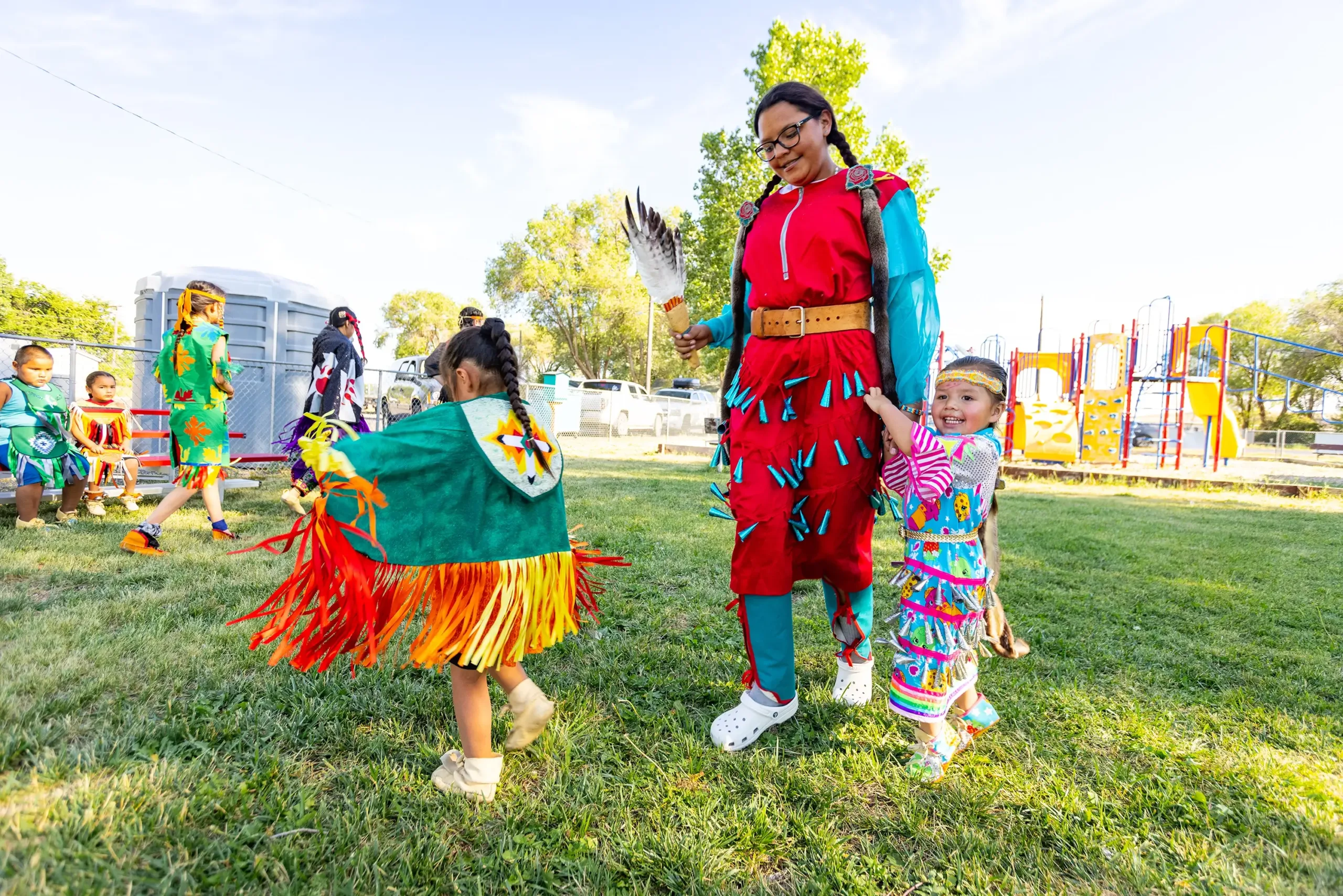
Long before fences or roads, the Harney Basin was home to the ancestors of the Northern Paiute people. Families traveled seasonally across the desert, harvesting roots like camas and wild onions, gathering seeds and berries, hunting pronghorn and deer, and fishing rivers and wetlands for trout and waterfowl. They built shelters, crafted tools and baskets from native plants, and cared for the land with careful practices that sustained both people and wildlife. This deep knowledge and respect for the high desert’s cycles were passed down through countless generations — and continue today through the Burns Paiute Tribe’s enduring connection to this place.
The Burns Paiute Tribe
The Burns Paiute Tribe are the present-day descendants of the Wadatika band of Northern Paiutes — the First People who lived throughout the Harney Basin for thousands of years, hunting game, fishing rivers and wetlands, and gathering native plants to sustain their families and communities. Despite the hardships of forced relocation and broken treaties in the late 1800s, the Tribe’s deep connection to the land endures. Today, the Burns Paiute work to preserve traditional knowledge, protect ancestral lands, and revitalize their language and culture. Their presence and leadership shape conservation efforts, education, and cultural connections throughout the region.
Settlers & Homesteaders
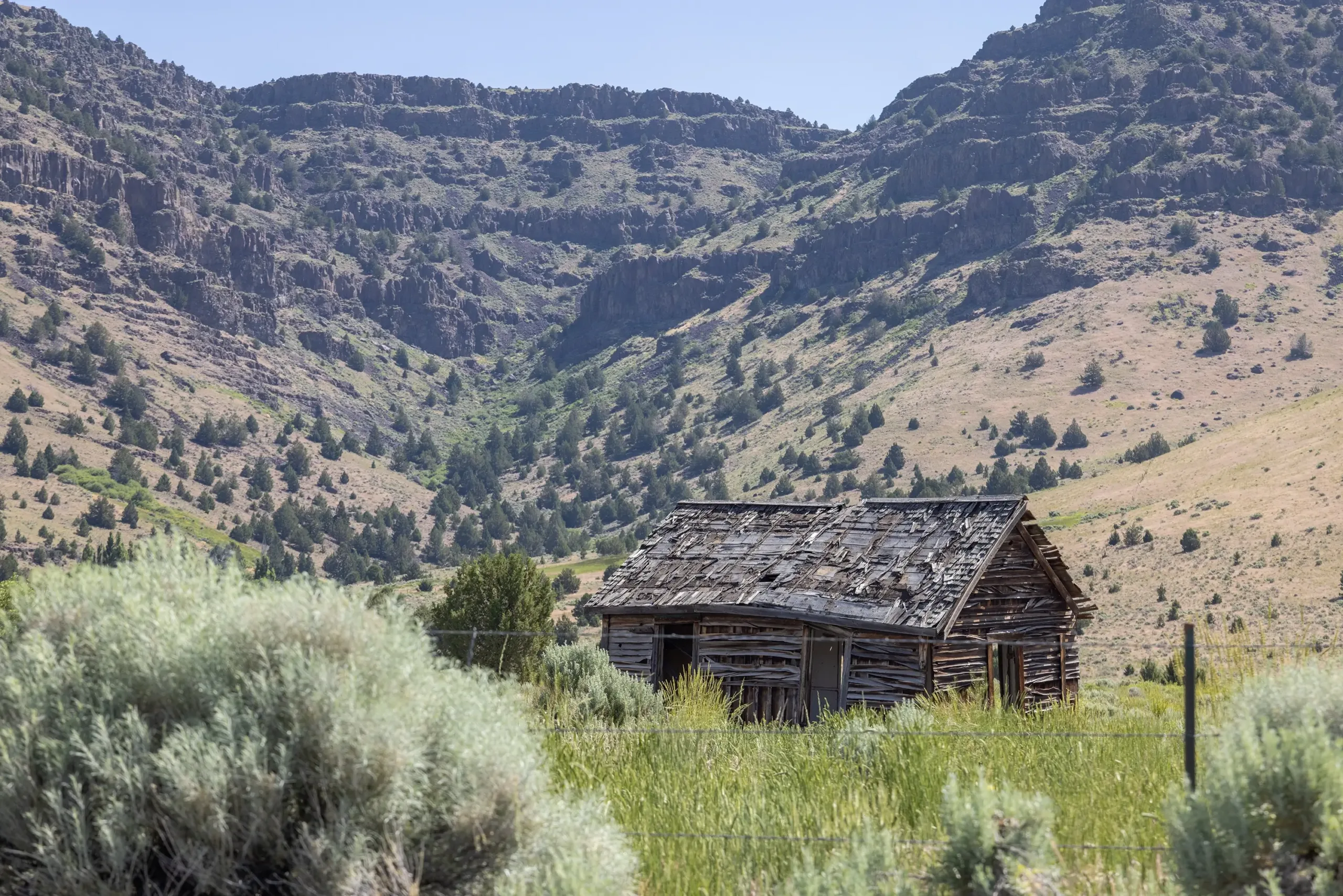
In the late 1800s, settlers came to the Harney Basin drawn by vast rangelands, fertile river valleys, and the promise of a new life. Homesteaders carved out a rugged existence, building cabins, schools, churches, and small towns across the high desert. They brought livestock, introduced irrigation, and laid the groundwork for the region’s enduring ranching culture. Many of Harney County’s multigenerational ranching families trace their roots to these early pioneers. Their legacy lives on not only in family names and fence lines, but in landmarks–like the historic Pete French Round Barn–that are still standing as a symbol of the ingenuity, grit, and self-reliance of these early pioneers. Visit the Claire McGill Luce Western History Room for much more about the history of Harney County.
generational ranching
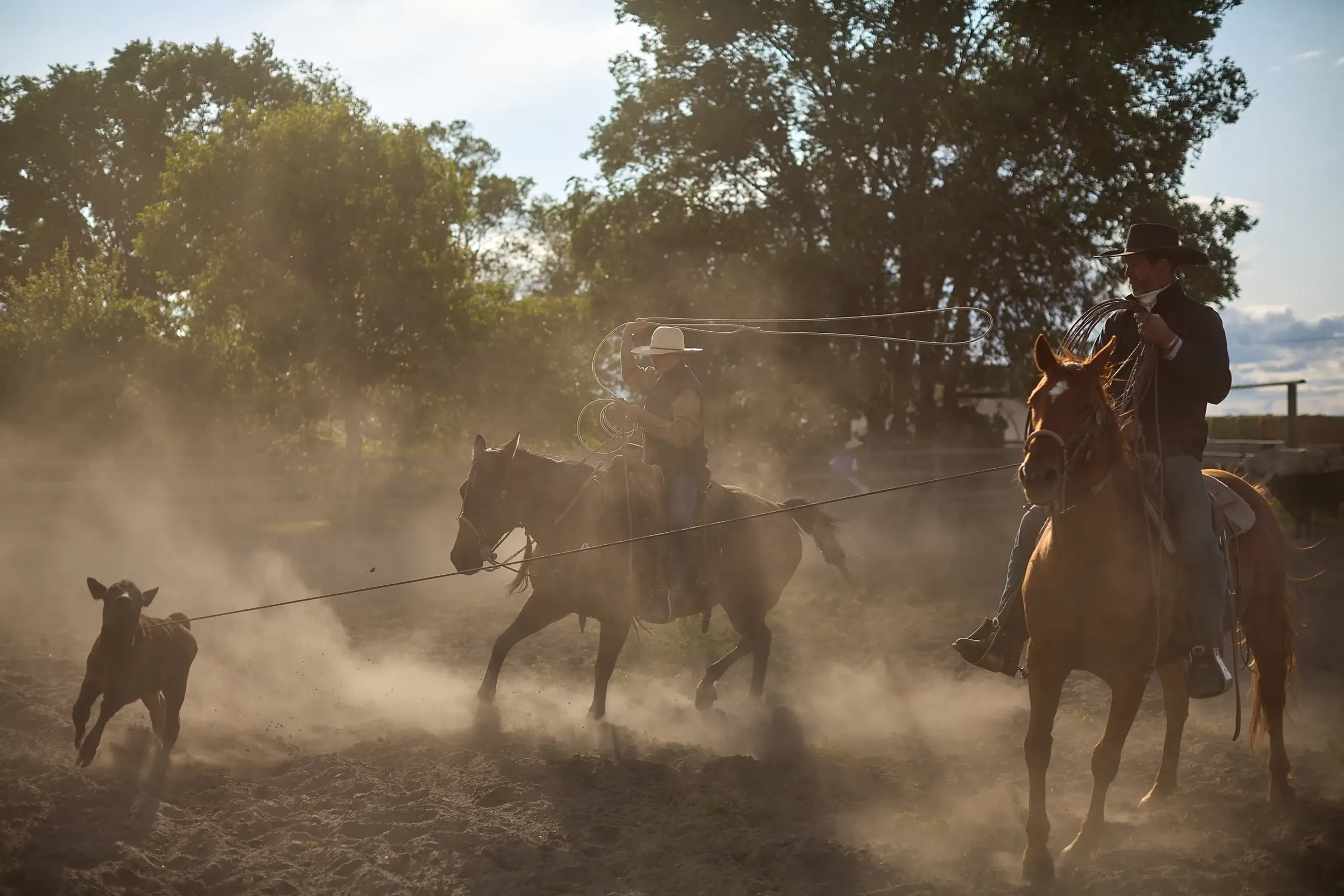
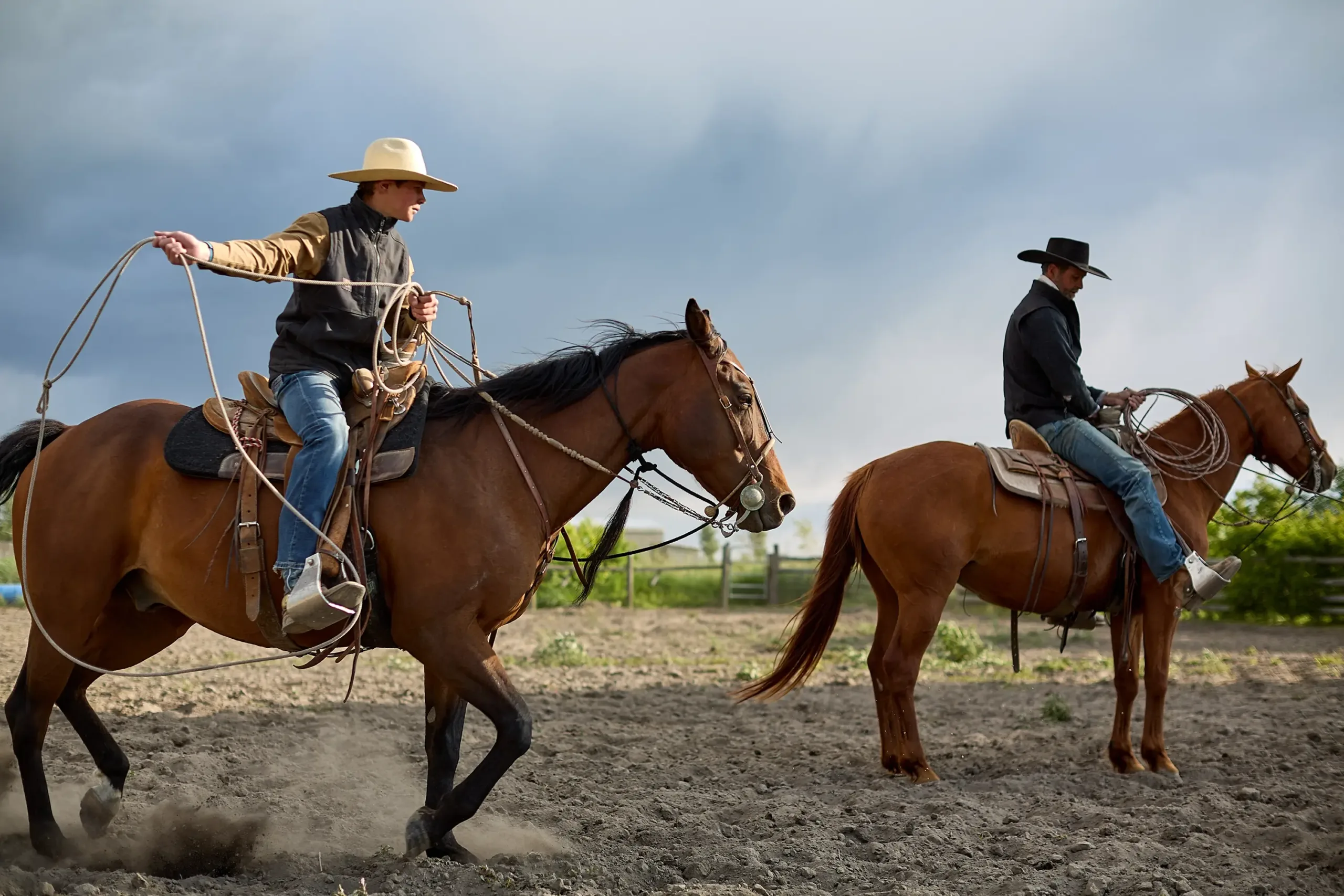
Ranching in Harney County is deeply generational. Many families have tended cattle on the same lands for decades, passing down skills, stories, and a love for the high desert. Today’s ranchers combine time-honored practices with modern stewardship, working hard to keep the rangelands healthy and productive for future generations. Their commitment shapes the local economy and preserves the open landscapes that define this place.
Looking for a place to call home?
Calling all wanna-be locals! Life is good in Harney County. Discover more about living in the high desert of Oregon.